
Home › Solar Vent Installation
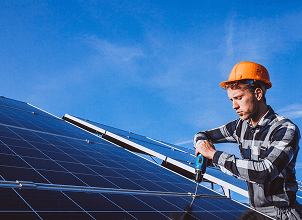
In a Texas summer, an unventilated attic can reach 150 to 160 degrees Fahrenheit by mid-afternoon. That heat radiates down through your ceiling, forces your HVAC system to work harder than it should, and accelerates the breakdown of your roofing materials from the inside out. If your energy bills spike every June and your upstairs rooms never quite cool down, your attic ventilation is almost certainly part of the problem.
Rebel Roofing installs solar attic fans for homeowners across Houston, The Woodlands, Katy, Pearland, Sugar Land, and throughout Texas and Mississippi. A solar-powered attic fan runs entirely on sunlight, costs nothing to operate, and works hardest exactly when you need it most: on the hottest, sunniest days of the year.
Most homes have some form of passive attic ventilation: ridge vents, soffit vents, gable vents, or static roof vents. Passive systems rely on natural airflow and temperature differential to move air through the attic. In moderate climates, that’s often sufficient. In Texas and Mississippi in July, it’s not.
Passive ventilation moves air when there’s a breeze and a temperature difference to drive it. A solar attic fan moves air regardless of wind conditions, actively pulling hot air out of the attic and replacing it with cooler outside air. A properly sized solar attic fan can exchange the full volume of air in your attic every three to five minutes, compared to passive systems that may take an hour or more to cycle the same volume on a still, hot afternoon.
And because a solar attic fan is powered entirely by the sun, the operating cost is zero. The fan runs at full speed on a clear 100-degree day, which is precisely when you need attic cooling the most.
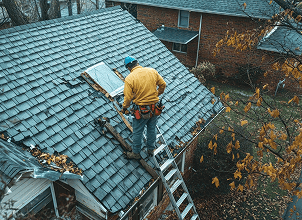
Rebel Roofing ensures proper installation and optimal performance of solar vent systems.
We start by evaluating your attic’s square footage, current ventilation, insulation, and roof configuration. Fan sizing matters: a unit that’s too small won’t move enough air to make a meaningful difference, and improper placement can create negative pressure that draws conditioned air from your living space into the attic. We calculate the correct CFM rating for your attic volume and identify the optimal placement on your roof for maximum solar exposure.
We cut the roof opening to the precise diameter required by the fan unit, flash the mounting collar with the same materials and techniques we use on any roof penetration, and seal every edge to manufacturer specifications. The installation is fully weatherproof: no leak points, no compromised shingles around the mount. This is a roofing company installing a roof penetration, not an HVAC technician cutting a hole in your roof.
The solar panel and fan unit are mounted and secured. We verify the panel angle is optimized for maximum solar gain at your latitude, confirm the fan spins freely, and seal the base plate to the flashing collar. All roofing materials disturbed during installation are restored to their original condition.
We test airflow on-site to confirm the fan is operating at rated capacity. You’ll see and feel the difference immediately on a sunny day. We walk you through how the system works, what to expect in different weather conditions, and what minimal maintenance looks like over the life of the unit. Warranty documentation is provided before we leave.
We install solar attic fans on homes across the greater Houston area including Cypress, Spring, Katy, Pearland, Sugar Land, League City, Baytown, Tomball, and Conroe, as well as throughout College Station, Bryan, The Woodlands, and surrounding communities. In Mississippi, we serve Ocean Springs and the Gulf Coast area.
Solar attic fan installation pairs well with roof replacement or repair projects. If you’re already having roofing work done, adding a solar attic fan is the most cost-effective time to do it, since the roof access and flashing work are already underway.

Total cost depends on the number of fans needed, the fan model, and the complexity of the roof penetration. A single solar attic fan installation typically ranges from a few hundred to around a thousand dollars including materials and labor. In most cases, the energy savings over a Texas cooling season offset a meaningful portion of the installation cost within the first few years. The best way to get an accurate number is a free on-site assessment from Rebel Roofing.
The number of fans depends on your attic’s square footage and the CFM rating of the fan units. As a general rule, you need one CFM of ventilation capacity per square foot of attic floor space in hot climates like Texas. A 1,500 square foot attic needs approximately 1,500 CFM of total ventilation. A single high-output solar attic fan typically handles 800 to 1,200 CFM, so most homes need one to two units. We calculate this precisely during the attic assessment.
Solar attic fans slow down on overcast days because they’re producing less power from the solar panel. Most units still operate at reduced capacity on partly cloudy days. The practical impact on performance is minimal because the days when you need maximum attic cooling are the same days with the most direct sunlight. Some premium units include a battery backup or thermostat that maintains minimum operation even when solar input is reduced.
A properly installed and sized solar attic fan works with your existing passive ventilation, not against it. The fan draws air in through soffit vents and exhausts it through the fan unit. Ridge vents and the solar fan can coexist on the same roof. The key is proper sizing: an oversized fan can create negative pressure that draws conditioned air from your living space. We size installations to avoid this and confirm airflow balance during testing.
Most residential solar attic fan installations are completed in two to four hours. The work involves cutting one or more roof penetrations, installing flashing and mounting hardware, seating the fan unit, and testing. If you’re combining the installation with a roofing project, we coordinate the timing so the penetration is made before final shingles are laid in that section.
For most Texas homeowners, yes. The combination of extreme summer heat, high HVAC energy costs, and the damage that chronic attic heat does to roofing materials makes proper attic ventilation one of the higher-return home improvements available in this climate. A solar attic fan requires no electricity to operate, costs nothing beyond the initial installation, and can last 20 or more years with minimal maintenance. The energy savings and extended roof life together make the math work in most situations.
Yes, and that’s often the best time to do it. When we’re already on the roof replacing shingles, adding a solar attic fan involves minimal additional labor since the roof access and flashing installation process is already underway. If you’re planning a roof replacement, ask us about including solar attic fan installation in the same project scope.